As we step into 2026, the landscape of workspace management is evolving, driven by technological advancements, changing employee expectations, and a heightened focus on sustainability. Here’s what to expect in the coming year:
1. The rise of hybrid work models
The hybrid work model, which combines remote and in-office work, is here to stay. Companies are increasingly adopting flexible arrangements that allow employees to choose where they work best. This shift not only enhances productivity but also improves employee satisfaction. Expect to see more organisations investing in technology that supports seamless collaboration between remote and in-office teams.
2. The integration of AI and smart technology
Artificial Intelligence (AI) is set to revolutionise workspace management in 2026. From predictive analytics that optimise space utilisation to AI-driven tools that enhance employee experience, the integration of smart technology will streamline operations. For instance, smart sensors can monitor occupancy levels, helping businesses make data-driven decisions about space allocation.
3. Emphasis on employee well-being
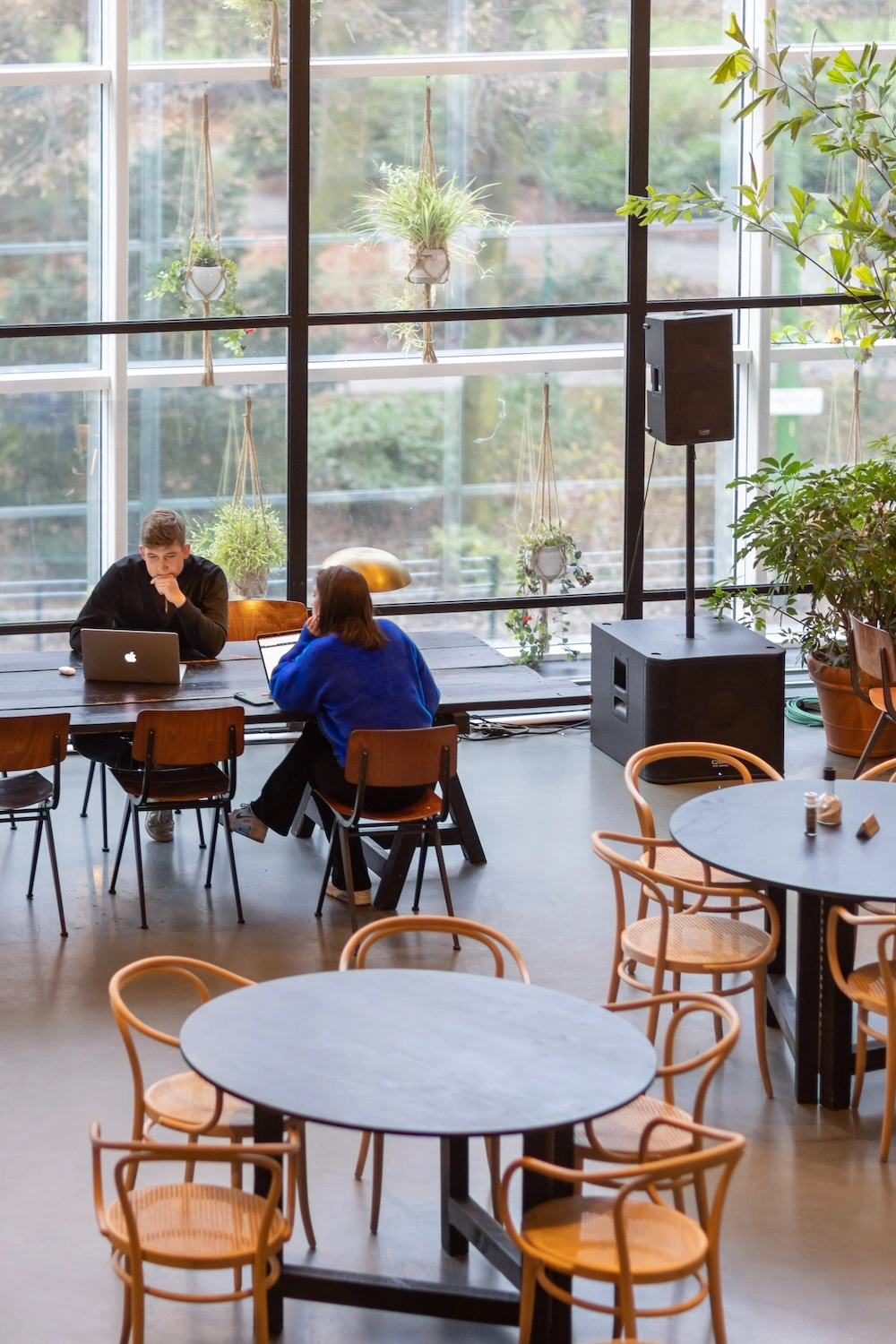
In 2026, the focus on employee well-being will be paramount. Companies will prioritise creating environments that promote mental and physical health. This includes designing spaces with natural light, incorporating biophilic elements, and providing wellness amenities. A healthy workspace not only boosts morale but also enhances productivity.
4. Sustainability takes centre stage
Sustainability will be a key trend in workspace management. Expect to see more organisations adopting eco-friendly practices, such as energy-efficient buildings and sustainable materials. Companies will also leverage technology to monitor and reduce their carbon footprint, aligning with global sustainability goals.
5. Data-driven decisions
Data analytics will play a crucial role in workspace management. By analysing employee behaviour and space utilisation, organisations can make informed decisions about office layouts and resource allocation. This data-driven approach will help create more efficient and effective work environments.
6. Community and collaboration focus
The importance of
community and collaboration in the workplace will continue to grow. In 2026, expect to see more open spaces designed to foster teamwork and creativity. Companies will invest in collaborative tools and technologies that facilitate communication and idea-sharing among teams, regardless of their physical location.
Conclusion
Workspace management will be characterised by flexibility, technology integration, and a commitment to sustainability and employee well-being. By embracing these trends, organisations can create work environments that not only meet the needs of their employees but also contribute to a more sustainable future.